
Seasonal Vending: Adapting Your Strategy for Maximum Profit


For vending machine operators, understanding the nuances of seasonal demand can be the key to maximizing profits. Adapting your strategy to align with seasonal trends allows you to better meet customer needs while optimizing sales throughout the year. In this blog post, we'll explore how to effectively adjust your vending business strategy to take advantage of seasonal opportunities.
Understanding Seasonal Demand
Seasonal demand refers to fluctuations in consumer interest and purchasing behavior that occur at different times of the year. These changes can be driven by weather, holidays, or cultural events. For instance, in the summer, demand for cold beverages and ice cream typically increases, while in winter, hot drinks and warm snacks become more popular.
By identifying these patterns, vending machine operators can stock their machines with products that are more likely to sell during specific seasons, leading to increased sales and customer satisfaction.
Adapting Your Product Selection
To capitalize on seasonal demand, it's crucial to regularly review and adjust your product offerings. Start by analyzing sales data from previous years to identify which products performed well during specific seasons. Then, work with suppliers to ensure you have the necessary inventory to meet anticipated demand.
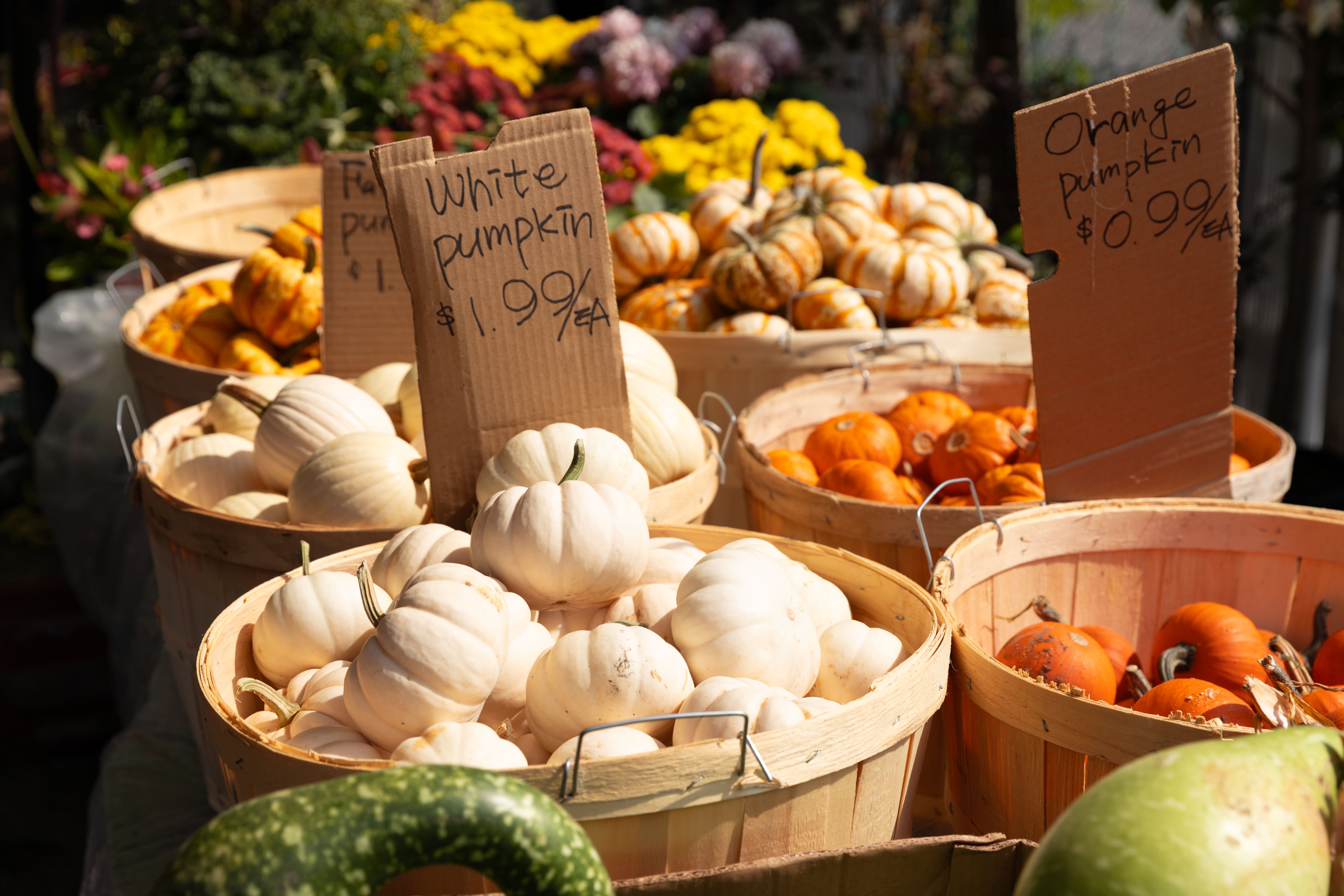
Consider offering limited-time seasonal products to attract attention and create a sense of urgency among customers. For example, pumpkin spice-flavored snacks in the fall or peppermint-flavored treats during the winter holidays can generate excitement and boost sales.
Location-Specific Strategies
Different locations may experience unique seasonal trends. For instance, vending machines near schools might see increased activity during the school year, while those in tourist areas might experience peak demand in the summer. Tailoring your strategy to the location can significantly impact your success.
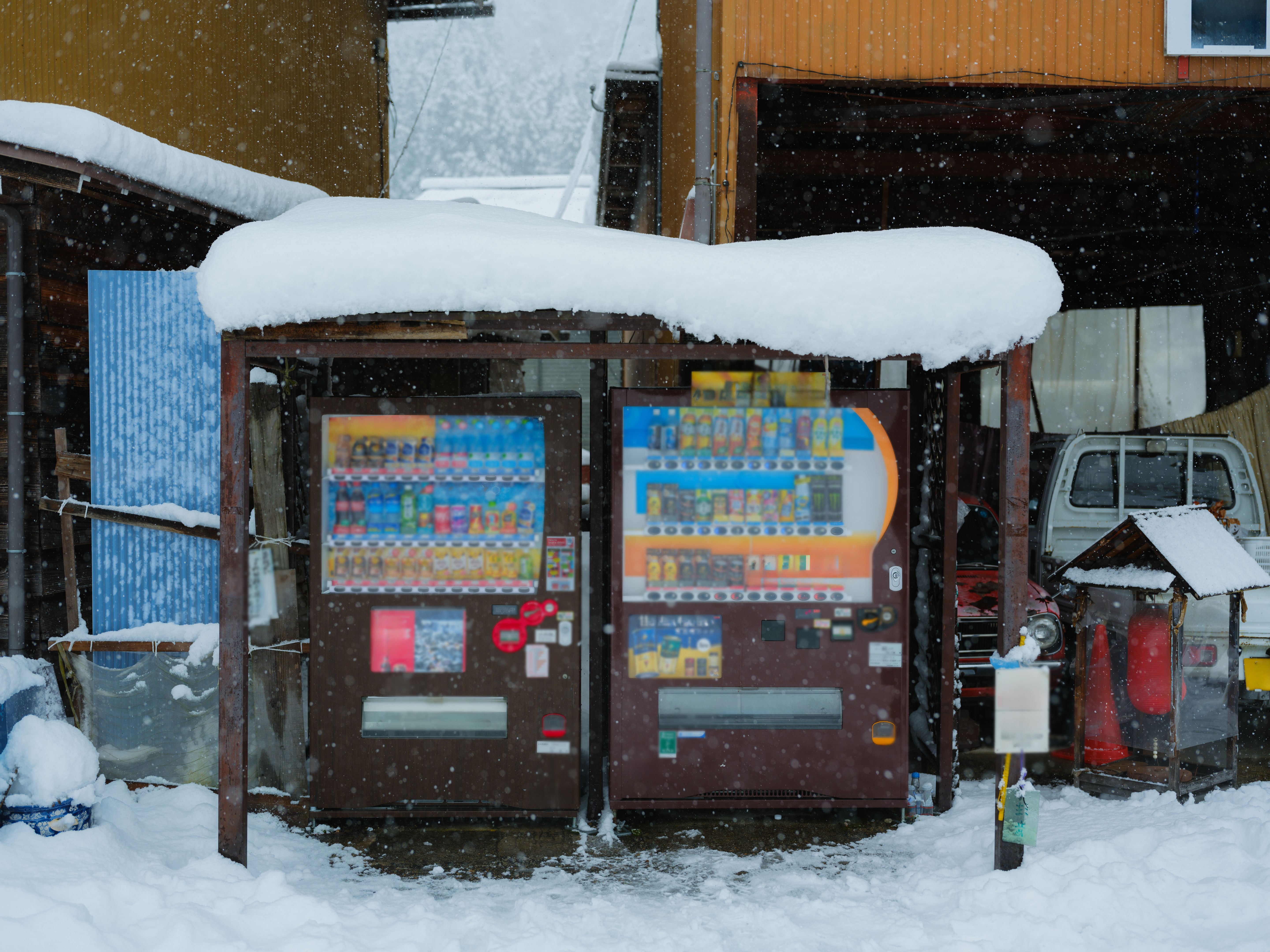
Conduct regular assessments of the locations where your machines are installed. Stay informed about local events or changes in the area that could influence foot traffic and adjust your inventory accordingly.
Promotions and Marketing
Seasonal promotions and marketing efforts can further enhance your vending strategy. Use signage and digital displays on your machines to highlight seasonal products and promotions. Consider offering discounts or bundle deals to encourage customers to try new items.
Leveraging social media and email marketing can also be effective. Share updates about new seasonal products and promotions to keep your audience engaged and informed.

Monitoring and Evaluation
Once you've implemented your seasonal strategy, it's important to monitor its effectiveness. Track sales data and customer feedback to determine which products and promotions are resonating with your audience. This information will help you refine your approach in future seasons.
Regularly evaluating your strategy ensures you remain responsive to changing consumer preferences and can make data-driven decisions to optimize your vending operations.
Conclusion
Adapting your vending strategy to align with seasonal trends can significantly boost your profitability and customer satisfaction. By understanding seasonal demand, adjusting your product selection, tailoring your approach to specific locations, and implementing effective promotions, you can make the most of seasonal opportunities. Stay proactive, monitor results, and continuously refine your strategy to achieve ongoing success.