
Debunking Common Myths About Vending Machine Businesses


Understanding the Vending Machine Business
Vending machines have been around for decades, providing convenient access to a variety of products. Yet, despite their prevalence, several myths surround the vending machine business. In this post, we aim to debunk some of the most common misconceptions and offer a clearer perspective on what running a vending machine business truly entails.
Myth 1: Vending Machines Are a Passive Income Stream
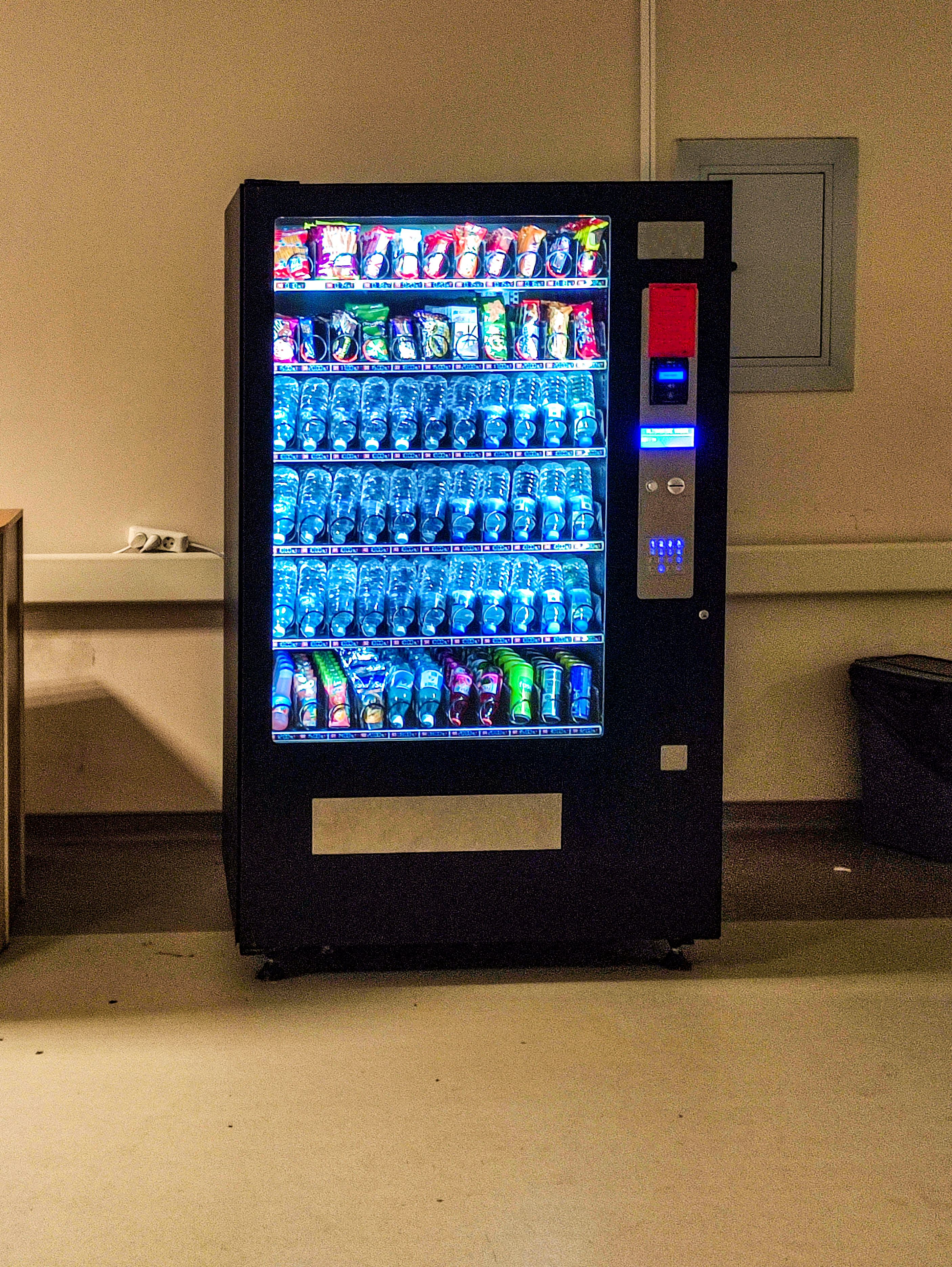
One of the most pervasive myths is that vending machines offer a hands-off approach to earning money. While it's true that they can generate income without the constant presence of an owner, they are far from passive. Regular maintenance, restocking, and route planning require significant time and effort. Successful vending operators are proactive in managing their machines, ensuring they’re always stocked and functioning properly.
Additionally, location scouting and negotiating placement agreements can be time-consuming. Choosing the right spot for a vending machine can make or break its profitability.
Myth 2: Vending Machines Only Sell Junk Food
Another common myth is that vending machines are limited to selling unhealthy snacks and sugary drinks. While traditional machines often featured these items, the industry has evolved significantly. Today, many vending businesses offer a wide range of products, including healthy snacks, fresh foods, and even gourmet coffee.

Entrepreneurs in the vending space are increasingly catering to health-conscious consumers by stocking their machines with nutritious options. This shift not only meets consumer demand but can also boost sales and enhance the reputation of the vending business.
Financial Considerations and Costs
Myth 3: Starting a Vending Machine Business Is Cheap
Although it may seem inexpensive to start a vending machine business, there are several costs to consider. Initial expenses include purchasing or leasing the machines, securing inventory, and setting up payment systems. Additionally, ongoing costs such as maintenance, repairs, and restocking can add up over time.
Prospective vending machine operators should also account for potential fees associated with securing prime locations, which can impact their bottom line. A thorough financial plan is essential for anyone considering entering this industry.
Myth 4: Vending Machines Are Outdated
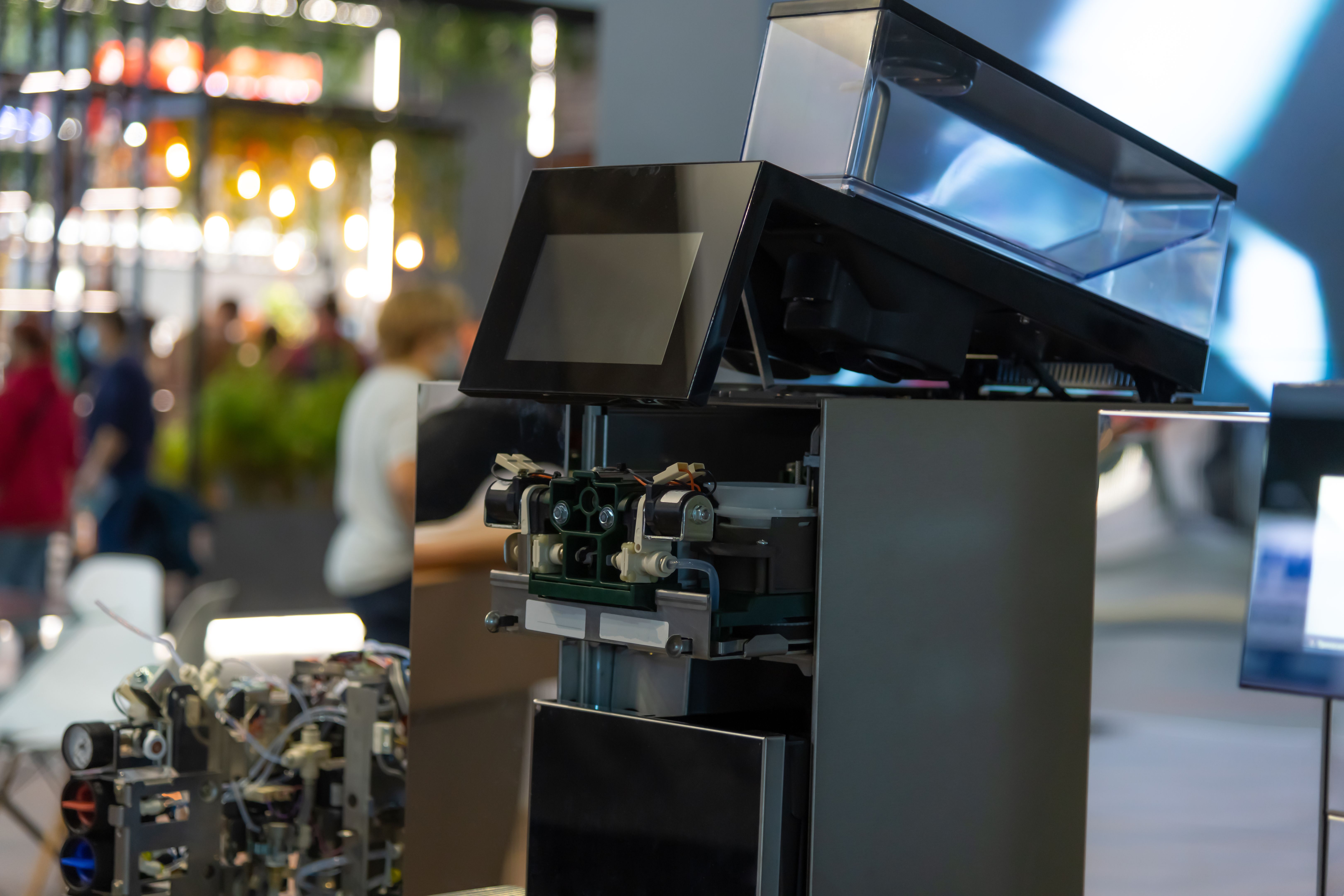
Some believe that vending machines are relics of the past, but this couldn't be further from the truth. Modern vending machines are equipped with advanced technology, including touch screens, cashless payment systems, and even AI-driven inventory management. These innovations have made vending machines more user-friendly and efficient than ever before.
As technology continues to advance, the vending machine industry is poised for further growth and innovation, offering exciting opportunities for entrepreneurs willing to embrace these changes.
The Reality of Running a Vending Machine Business
In conclusion, while vending machines can be a lucrative business venture, they require careful planning, dedication, and adaptability. By debunking these myths, we hope to provide a more accurate picture of what it takes to succeed in the vending machine industry. Understanding the realities and challenges will better prepare aspiring entrepreneurs to thrive in this dynamic field.