
Comparing Vending Machine Models: Finding the Best Fit for Your Location


Understanding Vending Machine Models
Choosing the right vending machine model for your location can significantly impact your business's success. With a wide variety of options available, it's essential to understand the different types of machines and their features. This guide will help you navigate through the choices to find the best fit for your needs.
Vending machines have evolved beyond simple snack dispensers. Today, they offer everything from hot beverages to fresh food. The key is to match the machine type with your target audience's preferences and location specifics.
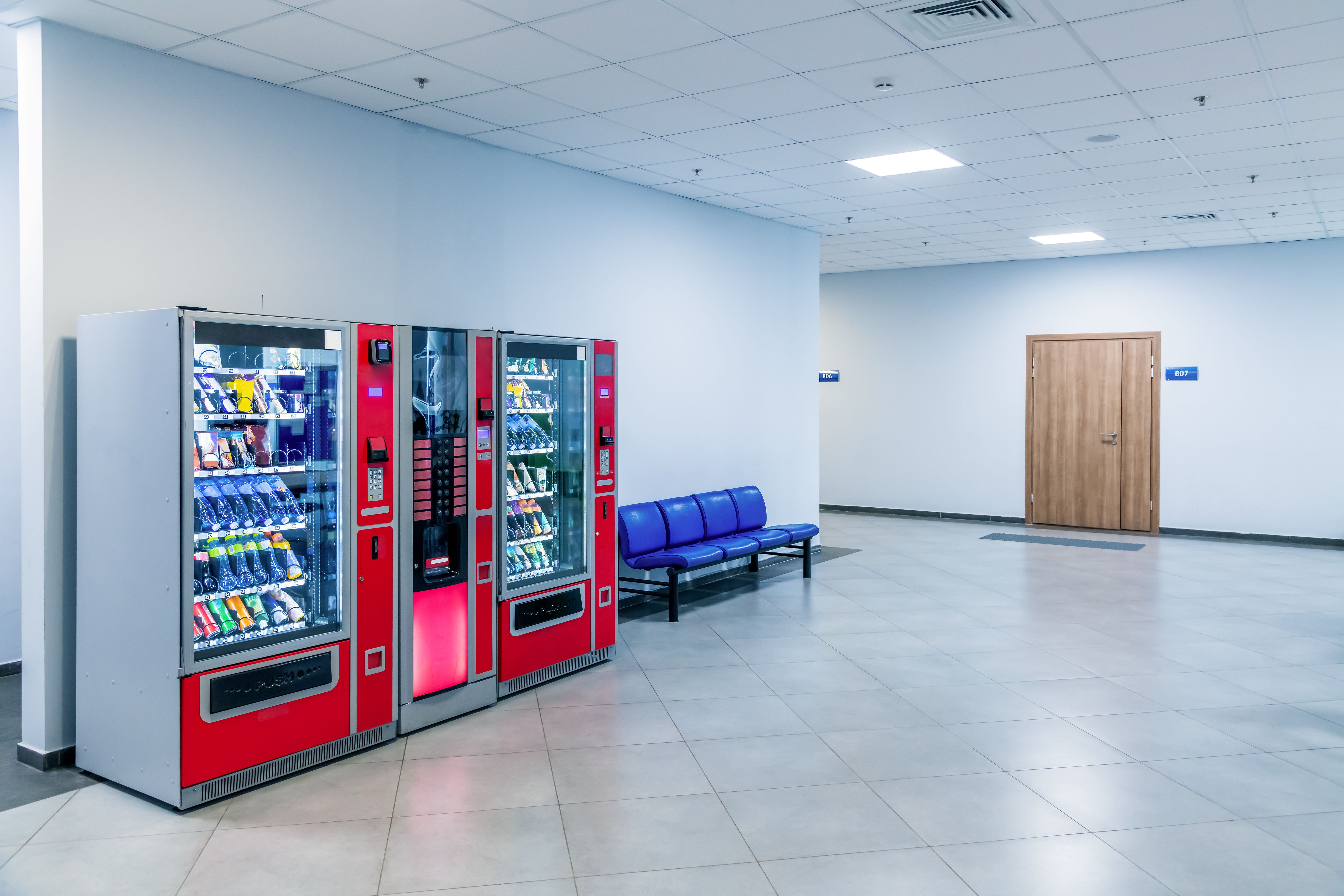
Types of Vending Machines
There are several types of vending machines to consider. Each serves a distinct purpose and caters to different customer needs:
- Snack Vending Machines: Ideal for locations with high foot traffic, such as schools or offices.
- Beverage Vending Machines: Perfect for gyms and recreational areas, offering both hot and cold drinks.
- Combination Vending Machines: Offer both snacks and drinks, suitable for versatile environments.
- Fresh Food Vending Machines: Excellent for health-conscious locations like hospitals and corporate campuses.
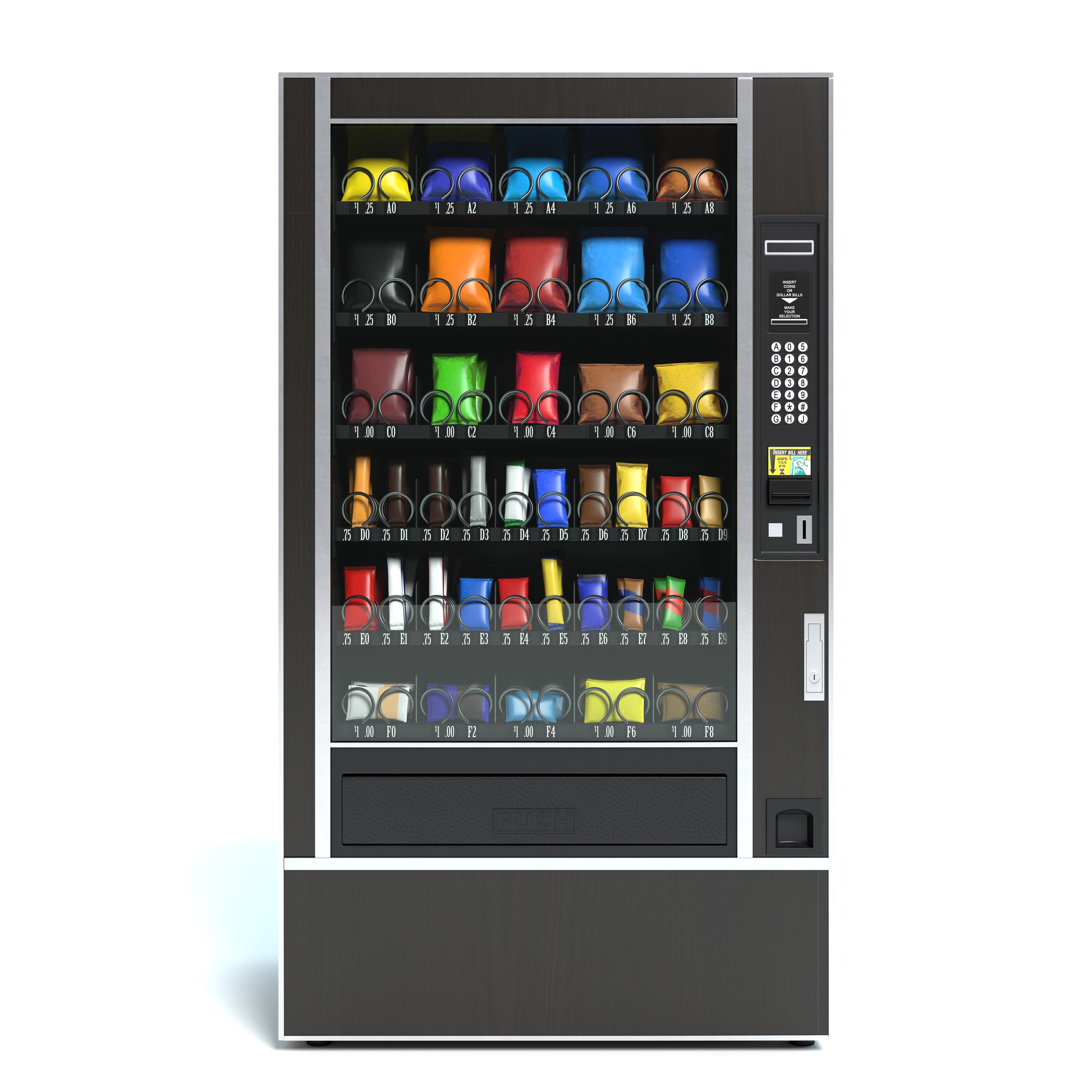
Assessing Location Needs
Before selecting a vending machine, assess the specific needs of your location. Consider factors like foot traffic, customer demographics, and space availability. A high-traffic area might benefit from a combination machine, while a location with limited space might require a smaller, specialized machine.
Understanding your customer base is crucial. For instance, a gym might require protein bars and sports drinks, while a school might need healthier snack options. Tailoring your machine's offerings to your audience can enhance customer satisfaction and increase sales.

Technology and Features
Modern vending machines come equipped with advanced technology to improve user experience and operational efficiency. Some features to consider include:
- Touchscreen Interfaces: Enhance user interaction and provide detailed product information.
- Cashless Payment Systems: Offer convenience by accepting credit cards, mobile payments, and digital wallets.
- Remote Monitoring: Allows operators to track inventory and sales in real-time, optimizing restocking schedules.
These features not only improve customer satisfaction but also streamline management and reduce operational costs.
Cost Considerations
Investing in a vending machine requires careful budgeting. While initial costs might seem high, consider the machine's potential revenue generation. Evaluate the long-term benefits of investing in a high-quality machine with modern features.
Additionally, factor in maintenance and restocking costs. Partnering with a reliable supplier can help manage these expenses effectively, ensuring a steady supply of products and timely machine servicing.
Conclusion
Choosing the right vending machine model involves balancing location needs, customer preferences, and budget constraints. By carefully evaluating these aspects, you can select a machine that not only meets your business goals but also enhances customer satisfaction.
Remember, the right vending machine can transform your location into a convenient and profitable hub for customers. Take the time to research and invest wisely to reap long-term rewards.