
Comparing Vending Business Models: Which One is Right for You?


Understanding Vending Business Models
In today's fast-paced world, vending machines have become a staple in providing quick access to snacks, drinks, and other essentials. However, starting a vending business involves more than just placing a machine in a high-traffic area. There are several business models to consider, each with its own advantages and challenges. Understanding these models is crucial in determining which one aligns best with your entrepreneurial goals.
The vending industry can be broadly categorized into traditional vending, specialty vending, and franchise vending. Each model offers unique opportunities and requires different levels of investment, management, and expertise.
Traditional Vending Machines
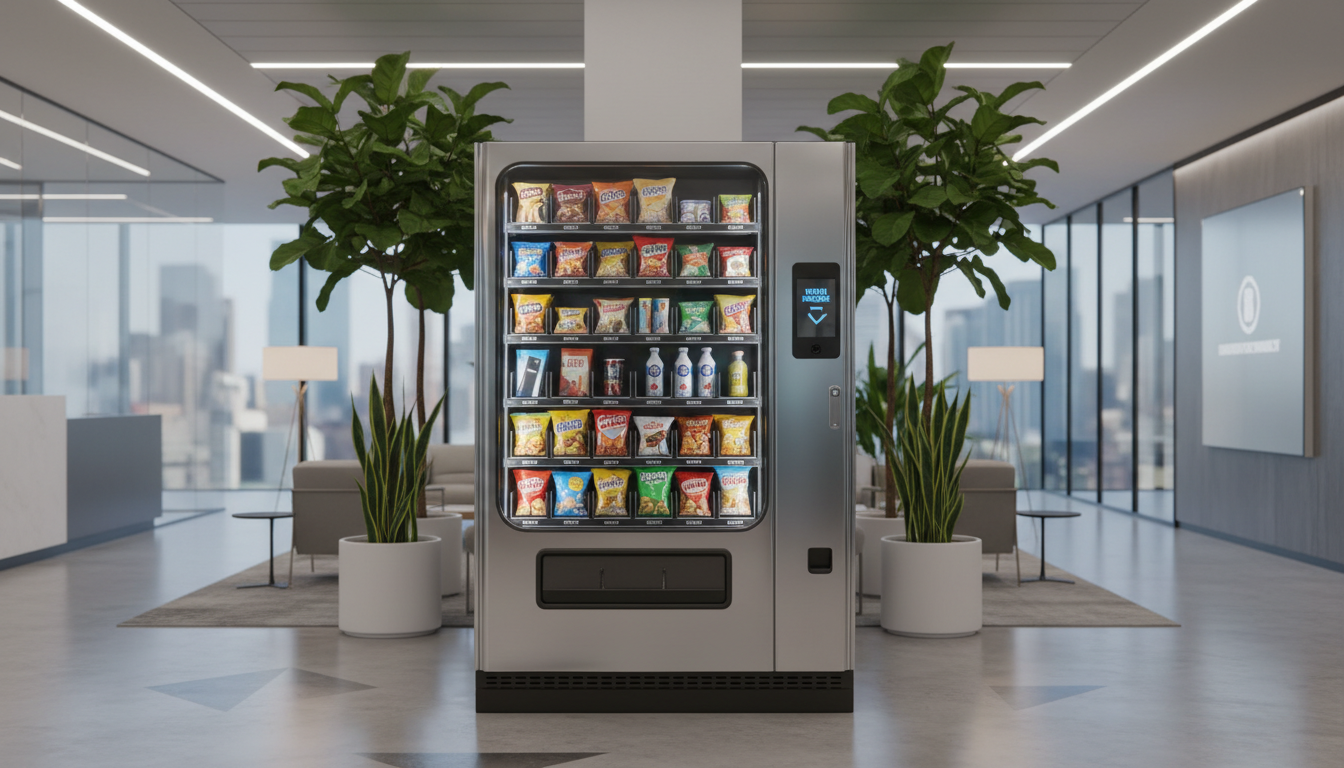
Traditional vending machines are the most common type. These machines offer a range of products like snacks, beverages, and sometimes even personal care items. The appeal of traditional vending lies in its straightforward nature. You purchase or lease machines, stock them with products, and collect the revenue.
This model requires a moderate initial investment and offers flexibility in terms of product selection. However, it demands regular maintenance and restocking, which can be time-consuming. Location is key—machines placed in busy areas will generate more profit.
Specialty Vending Machines
Specialty vending machines cater to niche markets, offering specific products such as fresh food, coffee, or even electronics. This model is gaining popularity due to increasing consumer demand for unique and convenient purchasing options. Specialty vending can differentiate your business from competitors and attract a loyal customer base.

While specialty vending may require a higher initial investment, the potential for higher profit margins is significant. The challenge lies in product sourcing and machine maintenance, as these machines often require more sophisticated technology.
Franchise Vending Opportunities
Franchising offers an attractive route for those who prefer a more structured approach. By investing in a franchise, you gain access to an established brand, marketing support, and a proven business model. This can significantly reduce the risk associated with starting a vending business from scratch.
However, franchise vending comes with its own set of challenges. There are usually ongoing fees and strict guidelines to follow, which can limit your control over the business. It's crucial to carefully review the franchise agreement and assess whether the support provided justifies the costs.
Choosing the Right Model for You
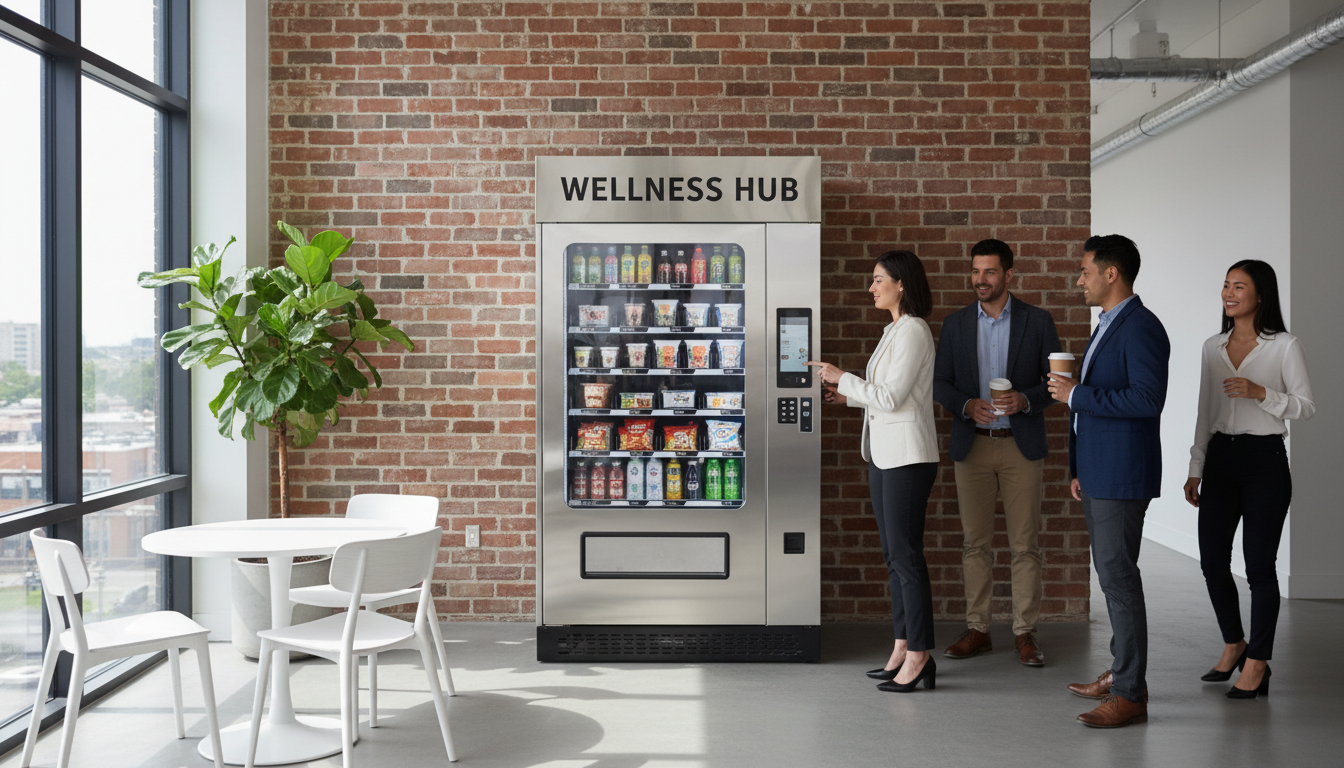
When deciding on a vending business model, consider factors such as your budget, target market, and personal preferences. If you're seeking flexibility and have a moderate budget, traditional vending might be the best fit. If you have a specific product niche in mind and are willing to invest more, specialty vending could be your path to success.
For those who prefer a structured approach with brand recognition, franchise vending offers a compelling option. Evaluate each model's pros and cons in the context of your long-term business goals.
Final Thoughts
Exploring different vending business models is essential before making an investment. By understanding the nuances of each model, you can make an informed decision that aligns with your skills, resources, and aspirations. Whether you choose traditional, specialty, or franchise vending, the key to success lies in strategic planning and diligent execution.
As the vending industry continues to evolve, staying informed about trends and technological advancements will help maintain a competitive edge. Choose the model that not only meets your financial objectives but also aligns with your vision for the future.