
Case Study: Successful Vending Machine Placements in Jonesville


Introduction to Vending Machine Success in Jonesville
Vending machines have become an essential convenience in modern life, offering quick access to snacks and beverages. In Jonesville, strategic placements have turned these machines into a profitable venture. This case study delves into the successful strategies that led to thriving vending machine businesses in the area.
Identifying Prime Locations
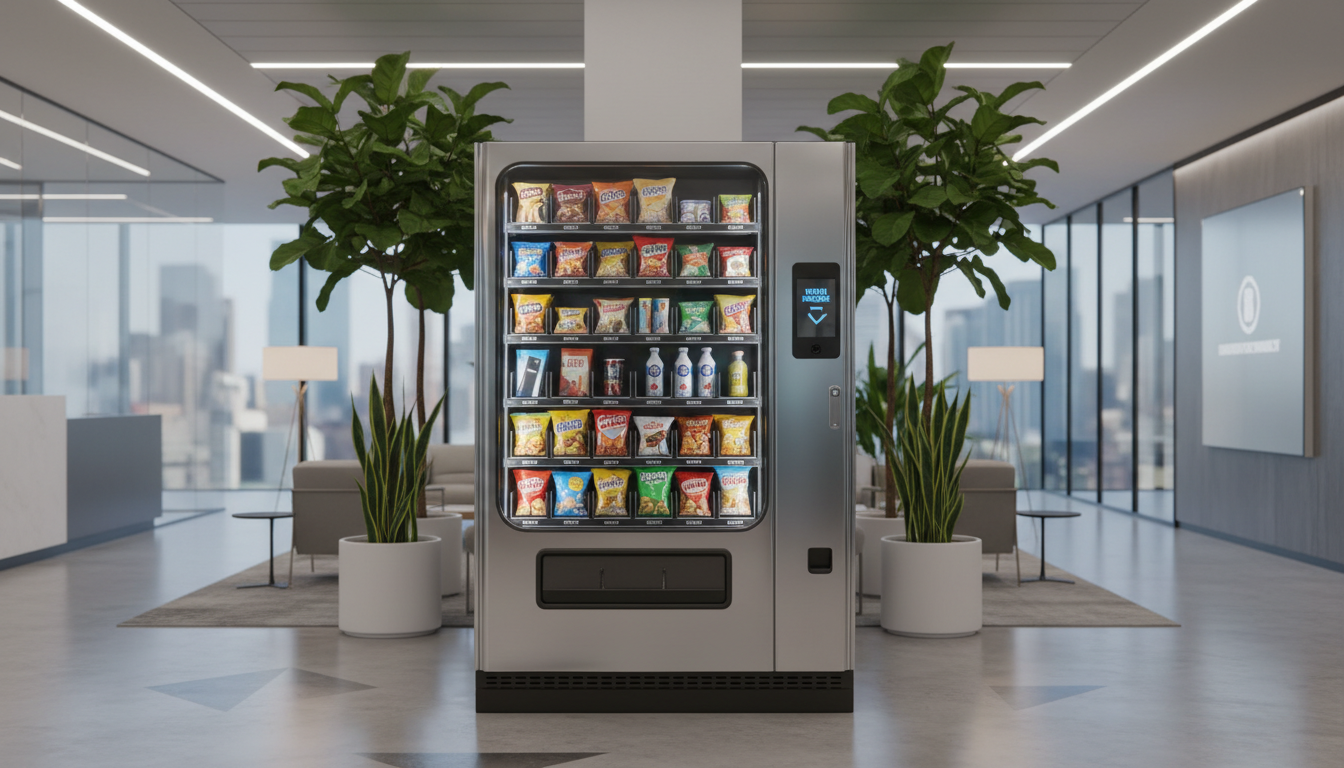
Location is a crucial factor in the success of vending machines. In Jonesville, the most successful placements were found in high-traffic areas. These included:
- Shopping malls
- Office complexes
- Public transportation hubs
- Educational institutions
The constant flow of potential customers in these areas contributed significantly to high sales volumes.
Understanding Consumer Preferences
Beyond location, understanding what consumers want is vital. In Jonesville, operators conducted surveys to identify popular products. The results showed a preference for healthier snack options and premium beverages. Consequently, vending machines were stocked with a variety of products, catering to diverse tastes and dietary needs.

Leveraging Technology for Efficiency
The integration of technology has transformed the vending machine industry. In Jonesville, operators utilized smart vending machines equipped with inventory tracking and cashless payment systems. These features not only improved operational efficiency but also enhanced user experience.
With real-time data, operators could make informed decisions about restocking and maintenance, ensuring machines were always ready to serve customers.
Marketing and Customer Engagement
Effective marketing strategies played a pivotal role in Jonesville's vending machine success. Operators used social media platforms to promote new offerings and special deals. Engaging with customers through online surveys and feedback forms helped build a loyal customer base.

Challenges and Solutions
Despite the success, there were challenges such as machine vandalism and maintenance issues. However, operators addressed these problems by implementing robust security measures and establishing a reliable maintenance schedule.
Additionally, partnerships with local businesses helped in securing prime locations and reducing operational costs through shared responsibilities.
Conclusion
The success of vending machine placements in Jonesville is a testament to strategic planning and customer-focused approaches. By selecting optimal locations, stocking preferred products, leveraging technology, and engaging with customers, vending machine operators can create a sustainable and profitable business model.
This case study serves as an excellent example for entrepreneurs looking to enter the vending machine industry, highlighting the importance of adaptability and innovation.